

Bohemia contributes much more to European culture than just famous spas and mineral springs. For nearly three centuries, the region has been recognized as one of the world’s foremost centers of fine porcelain production. The area sits atop extensive deposits of white clay known as kaolin. This is the essential raw material for true porcelain. The region is also surrounded by forests that historically fueled the high-temperature kilns needed for firing. Bohemia had both the natural resources and the technical tradition to develop a ceramics industry of world-class quality.
The porcelain produced here supplied royal courts, grand hotels, and celebrated restaurants across Europe. Among the most historically significant and enduringly useful objects to emerge from this tradition is the classic drinking cup. Holding a genuine karlovy vary spa cup connects you directly to this centuries-old wellness practice.
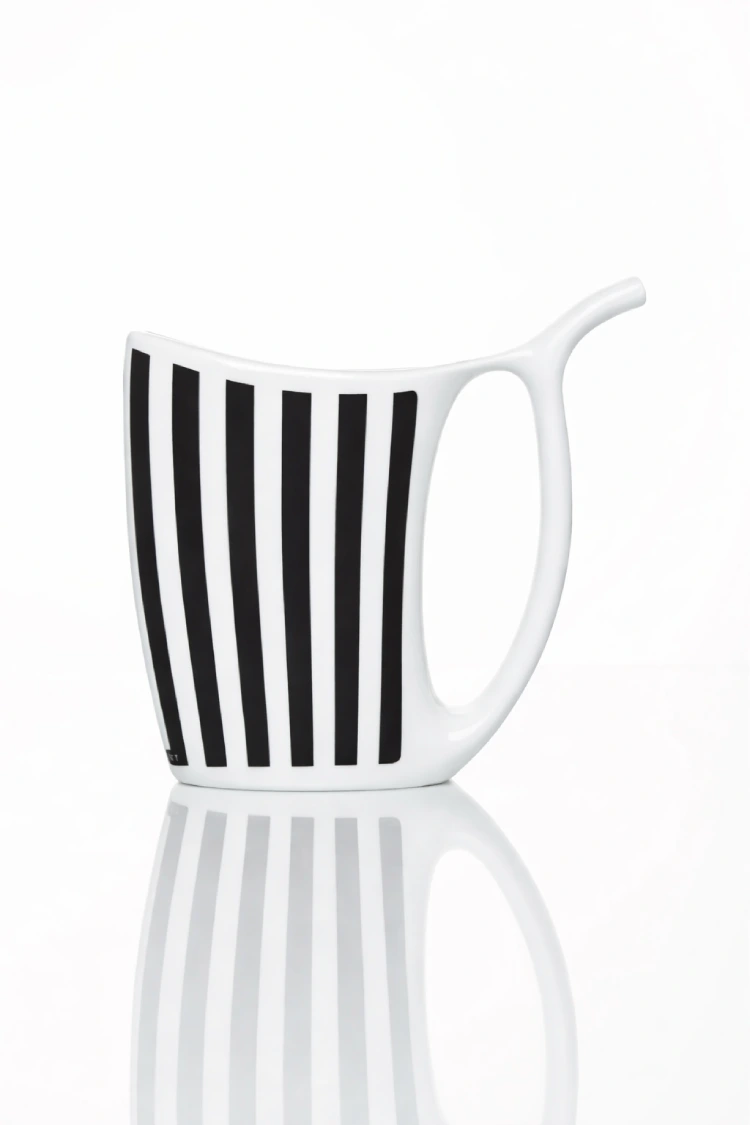
The G. Benedikt legacy
Among the manufacturers who shaped the reputation of Bohemian porcelain, G. Benedikt holds a very distinguished place. The factory was established in the 19th century in the porcelain-rich landscape of northwestern Bohemia. It built its name on producing high-quality and extremely durable porcelain for the hotel and hospitality industry. This sector demands both beauty and resilience in equal measure.
Hotel porcelain must survive daily use and commercial washing cycles. It needs to provide years of service while remaining chip-resistant and visually consistent. Meeting that high standard while maintaining aesthetic refinement is the true mark of serious craftsmanship.
G. Benedikt pieces became standard fixtures in the grand hotels and thermal establishments of Central Europe. The spa cups produced under their tradition were designed with the specific requirements of the drinking cure in mind. They feature a unique spout handle and a precise volume. The weight and balance of the piece in the hand feel intentional. These were never just decorative afterthoughts. They were functional objects engineered to serve a wellness purpose.
The traditional Czech pattern
The visual language of Czech spa porcelain is immediately recognizable. It has proven extraordinarily durable across constantly changing fashion cycles. The dominant aesthetic draws on the blue and white tradition shared with other great porcelain cultures like Delft and Meissen. However, it maintains a distinctly Bohemian character.
Traditional Czech motifs favor dense floral arrangements. You will often see roses, forget-me-nots, and cornflowers painted with fine brushwork against a white ground. These are often accented with gold rims and decorative borders. Spa cups frequently feature imagery specific to Karlovy Vary itself. This includes painted miniatures of the colonnades, the hot springs, or the town’s distinctive architecture.
These designs have endured because they occupy a rare middle ground between decorative richness and classical restraint. They are detailed enough to reward close examination. Yet they are composed with enough discipline that they never overwhelm the fundamental elegance of the object.
The longevity of these patterns reflects a broader truth about Bohemian ceramics. The tradition values continuity over novelty. Pattern families are maintained across generations of production. This allows each new piece to participate in a visual lineage that stretches back centuries. Owning one of these cups is a small but real way of owning a piece of that lineage.
The perfect gift for wellness enthusiasts
The gift landscape is totally saturated with disposable novelties and generic wellness products. A G. Benedikt porcelain spa cup really stands apart from the crowd. It is a functional health tool and a work of artisan craftsmanship. It is a piece of European cultural history and a genuinely beautiful object all at once.
It integrates perfectly into an intentional wellness practice for anyone with an interest in holistic health and morning rituals. It adds a layer of ceremony and beauty to a daily habit for anyone who loves tea or herbal infusions. It provides a tangible connection to Bohemia’s material heritage for anyone interested in European history or ceramics.
This is the kind of gift that never gets put in a drawer. It gets placed right on the kitchen shelf where it can be seen every morning. You pick it up with genuine pleasure and use it with a level of appreciation that mass-produced alternatives simply cannot inspire.
